The real cost of Ремонт обуви: hidden expenses revealed
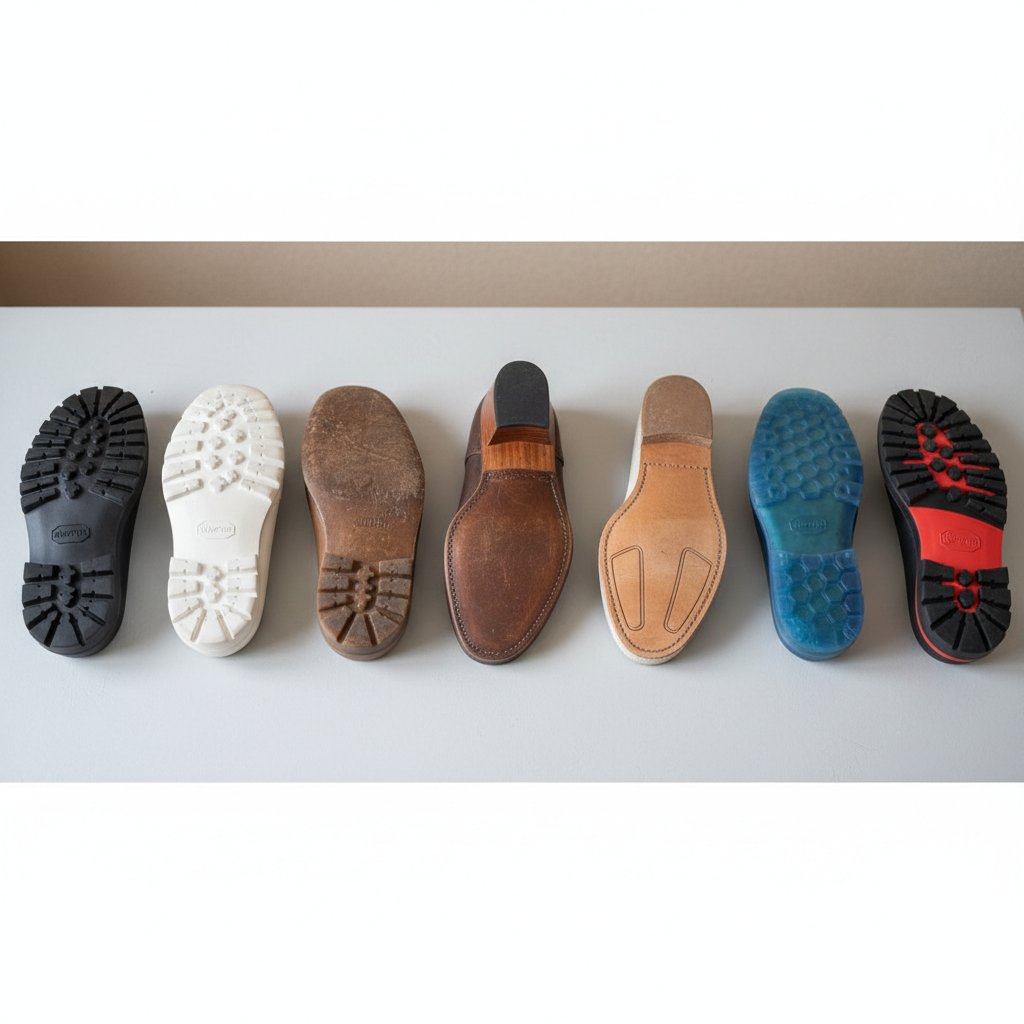
The $200 Mistake I Made at the Cobbler's Shop
Last winter, I brought my favorite leather boots to a neighborhood shoe repair shop. The heel was worn, the sole had a small crack—nothing major. "Forty bucks," the cobbler said without looking up. I nodded and left them there.
Two weeks later, I picked up boots that looked nothing like what I'd dropped off. New heel caps. Full sole replacement. Leather conditioning I never asked for. The bill? $187.
That's when I learned that shoe repair pricing operates in a mysterious universe of its own, where quoted prices are merely suggestions and "while we're at it" can cost you triple.
The Base Price Illusion
Here's what most repair shops won't tell you upfront: that initial quote covers the absolute bare minimum. A heel replacement might start at $25-40, but that assumes your heel counter is intact, the attachment point hasn't deteriorated, and the existing materials are compatible with standard replacement parts.
Spoiler alert: they rarely are.
According to a 2023 survey by the Shoe Service Institute of America, approximately 68% of customers end up paying 40-150% more than the initial estimate. The culprits? "Necessary additional work" discovered once your shoes are already disassembled on the workbench.
Material Costs Nobody Mentions
That leather patch for your scuffed toe? It's not just leather. It's finding leather that matches your shoe's specific grain, thickness, and dye lot. Good cobblers keep hundreds of leather samples, and premium materials can run $15-30 per square foot. Your tiny patch might only use a fraction of that, but you're paying for the cobbler's inventory investment.
Adhesives, thread, edge dressing, rubber compounds—these aren't Home Depot supplies. Professional-grade Renia cement costs about $45 per can. Barbour's linen thread runs $12 per spool. These costs get distributed across repairs, adding $8-15 to each job even if the cobbler doesn't itemize them.
The Time Tax
Shoe repair isn't fast food. A quality resoling job takes 45-90 minutes of actual hands-on work, spread across multiple days for drying and setting. Rush jobs? That'll cost you.
Most shops charge 50-100% premiums for same-day or next-day service. Your $60 resole becomes $90-120 because you need them for a wedding this weekend. The cobbler isn't gouging you—they're bumping other work, staying late, or using faster-setting (and more expensive) materials.
The Equipment Investment You're Really Paying For
Modern shoe repair requires serious machinery. A good sole press costs $3,000-8,000. Industrial sewing machines run $2,500-15,000. Finishing equipment, lasting machines, heat molders—a fully equipped shop represents $50,000-100,000 in capital investment.
When you pay $75 for a Goodyear welt resole, you're not just paying for an hour of labor. You're paying for the $12,000 sole stitcher that makes that repair possible.
What Experienced Cobblers Actually Think
"People compare our prices to buying new shoes from Target," says Marcus Chen, who's operated a Boston repair shop for 23 years. "But we're competing with the original construction quality of $300-500 footwear. Our work needs to last as long as the factory build did."
Chen estimates his actual material costs at 15-25% of the repair price, labor at 40-50%, and overhead (rent, equipment, insurance, utilities) eating another 25-30%. "I'm lucky if I clear 10% profit on most jobs," he adds.
Hidden Costs That Catch Everyone
Beyond the obvious, watch for these stealth expenses:
- Cleaning and conditioning: Many shops automatically clean shoes before repair, adding $12-25
- Structural repairs: Shank replacement, counter reinforcement—$20-45 each
- Hardware replacement: New eyelets, speed hooks, or buckles at $3-8 per piece
- Color matching: Custom dye work runs $15-35 beyond standard refinishing
- Waterproofing applications: Another $10-20 tacked on "for protection"
The Real Math
Let's break down a typical "simple" boot repair:
Quoted heel replacement: $35
Actual heel cap and attachment: $35
Necessary heel base rebuild: $25
Sole edge dressing (wear was uneven): $15
Conditioning treatment: $18
Sales tax (varies by location): $7.44
Total: $100.44
That's a 187% increase from the quote, and every item was arguably necessary for a proper repair.
Key Takeaways
- Always ask for a detailed written estimate before authorizing work—and request they call if costs exceed 20% of the quote
- Factor in 30-50% above initial quotes for realistic budgeting
- Material and equipment costs justify higher prices than you'd expect
- Rush services legitimately cost more—plan ahead when possible
- Quality repairs on $200+ shoes often run $75-150, which still beats replacement
The cobbler who repaired my boots? I still go to him. But now I ask questions, request itemized estimates, and never assume a simple fix will stay simple. My wallet's been much happier since.